Acetaldehyde is thought to cause flushing by stimulating release of histamine. To find out how your drinks add up, use our unit calculator below. Alcohol can have a variety of effects on our appearance, from the how does alcohol affect your skin way your skin and eyes look, to your weight and body odour. Use it as directed on the label or as your health care provider recommends. Your pharmacist can tell you all of the ingredients in the specific hydrogen peroxide products they stock.
Broken Capillaries: Dilated blood vessels from alcohol create visible redness and spider veins on the face
Small numbers of spider https://ecosoberhouse.com/ telangiectases are seen in healthy children and adults. They are more common in women, especially during pregnancy, as they are influenced by the female hormone, oestrogen. We’ve got plenty of tips to help you start cutting down on alcohol.
- ELLE Collective is a new community of fashion, beauty and culture lovers.
- Department of Agriculture suggest consumption should be no more than one alcoholic drink per day for women and two for men.
- Spider telangiectasis is given that name because of its appearance.
Ways to minimise skin damage before, during and after drinking
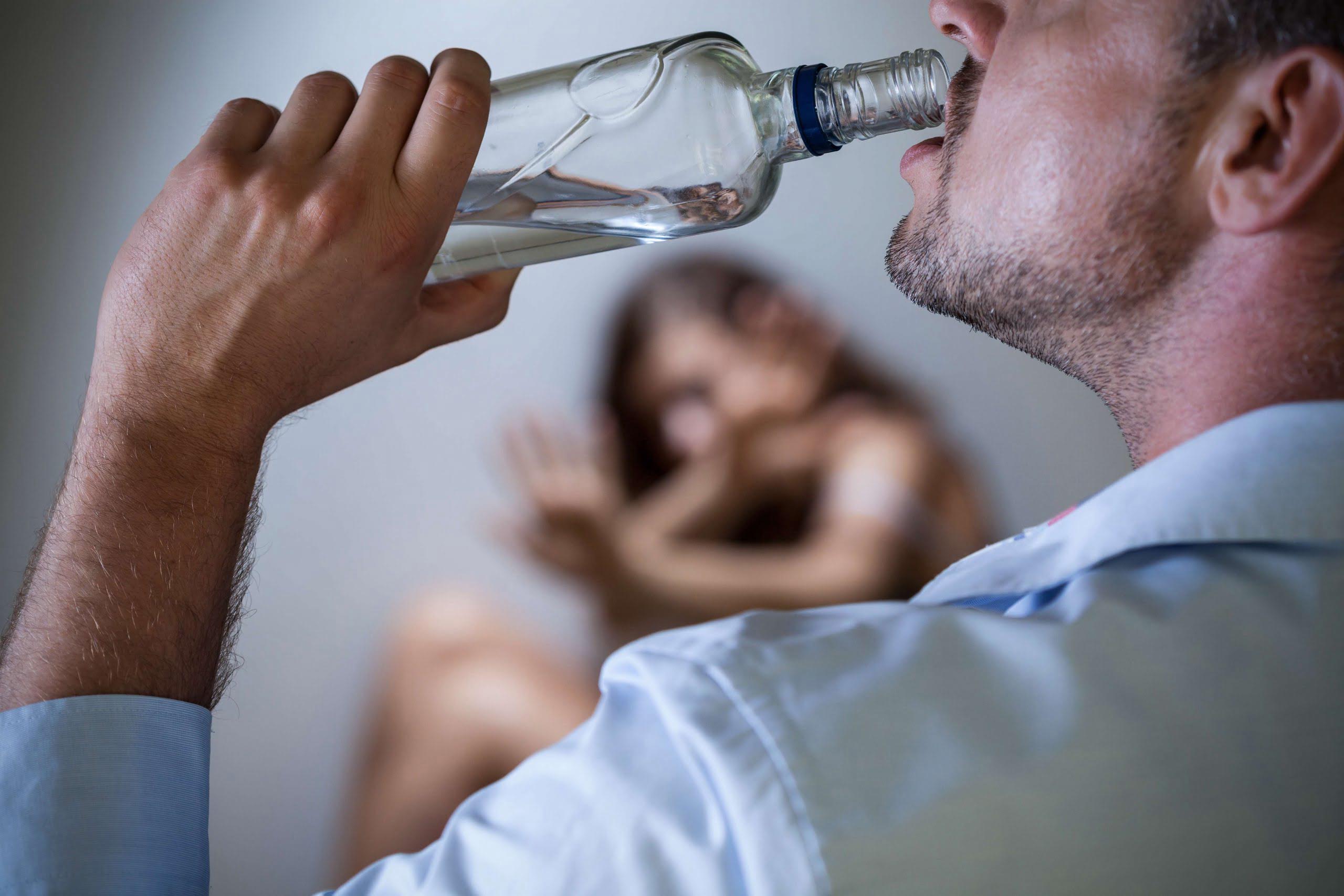
Second, stay hydrated by drinking water between alcoholic beverages, though this does not speed up metabolism, it can reduce dehydration effects. Third, plan ahead by using a BAC calculator or tracking drinks to estimate processing time. For those already experiencing broken capillaries, practical steps can mitigate their appearance and prevent further damage.
- People who are allergic to any of the following should not use hydrogen peroxide.
- A healthy diet and regular exercise are essential for maintaining healthy skin.
- It is very important that you take your medicine exactly as directed and that you keep your appointments with your doctor even if you feel well.
- While having a glass of wine on occasion shouldn’t cause skin health issues, frequent and excessive alcohol consumption can.
- Alcohol’s own vasodilatory effect lowers the threshold for flushing further, particularly in sensitive or reactive skin types.
What are the short- and long-term effects of alcohol on the skin?

Check with your health care Alcoholics Anonymous provider before you use hydrogen peroxide for any of the following. Stop using hydrogen peroxide and contact your health care provider if you have any of the following. Avoid using hydrogen peroxide on large areas or for more than one week unless your health care provider tells you to do so. Read and follow the instructions for the product you have and make sure you understand how to use it properly. Chronic liver disease often won’t cause symptoms in the early stages.
- A prescription cannabidiol (CBD) oil is considered an effective anti-seizure medication.
- Clear spirits like vodka and gin go through rigorous distillation process to remove impurities and they contain fewer additives.
- She suggests alternating between a serving of alcohol and a glass of water.
- Consumption of alcohol can also lead to other unhealthy habits like smoking and consumption of junk food, which can also have a negative impact on the appearance of the skin.
Whether you’re a casual drinker or looking to cut back, here’s what your skin might be trying to tell you. Hydrochlorothiazide is used alone or together with other medicines to treat high blood pressure (hypertension). High blood pressure adds to the workload of the heart and arteries. If it continues for a long time, the heart and arteries may not function properly. This can damage the blood vessels of the brain, heart, and kidneys, resulting in a stroke, heart failure, or kidney failure.
Watch Alcohol Consultant Lauren Booker as she explains what happens to your body on the inside and out when you take a break from alcohol or go alcohol-free. In alcohol-free versions or homemade preparations without preservatives, microbial contamination becomes a bigger risk once exposed to air repeatedly during use. Alcohol content slows oxidation by creating an environment hostile to bacteria and fungi growth while preserving tannins’ structure longer. If you notice any of these signs, it’s best not to use the product anymore. Some research suggests that regular alcohol use may be linked with flares of seborrheic dermatitis, also known as dandruff. Seeking help for addiction may feel daunting or even scary, but several organizations can provide support.

Oral changes due to chronic alcohol use
As collagen and elastin diminish over time, our skin loses its ability to “snap back” into place, resulting in sagging and a loss of firmness. Fine lines and wrinkles become more pronounced, and our skin appears less resilient. Even if you can’t visibly see the impact of alcohol on your skin immediately, heavy drinking can still affect what’s going on inside.